Film
De Gaulle: Liberté (2026)
Antonin Baudry
3/5
Considerably less compelling than Résistance
The second part of the historic epic recounting De Gaulle’s rise to power is a bit of a let down after the thoroughly enjoyable first part. When I remarked that part one lacked the irritating sentimentality of patriotic war films, I didn’t expect to see it back with a vengeance in part two. The humour is gone, the score is soppy and overbearing, the CGI a bit too prominent, and the narrative frenetically crammed with too many details. De Gaulle takes part in many meetings and appears less interesting. His little wins in getting closer to political power seem underwhelming in comparison to the developments on the front.
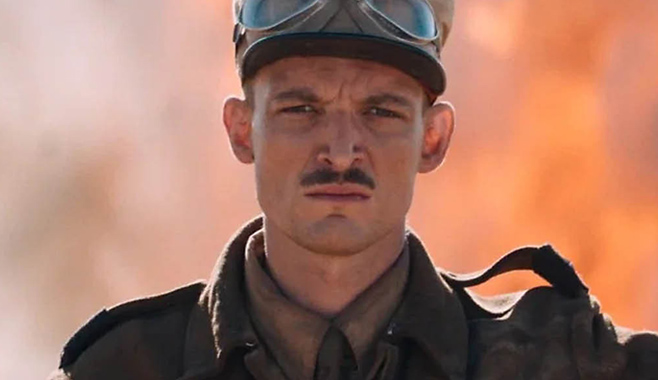
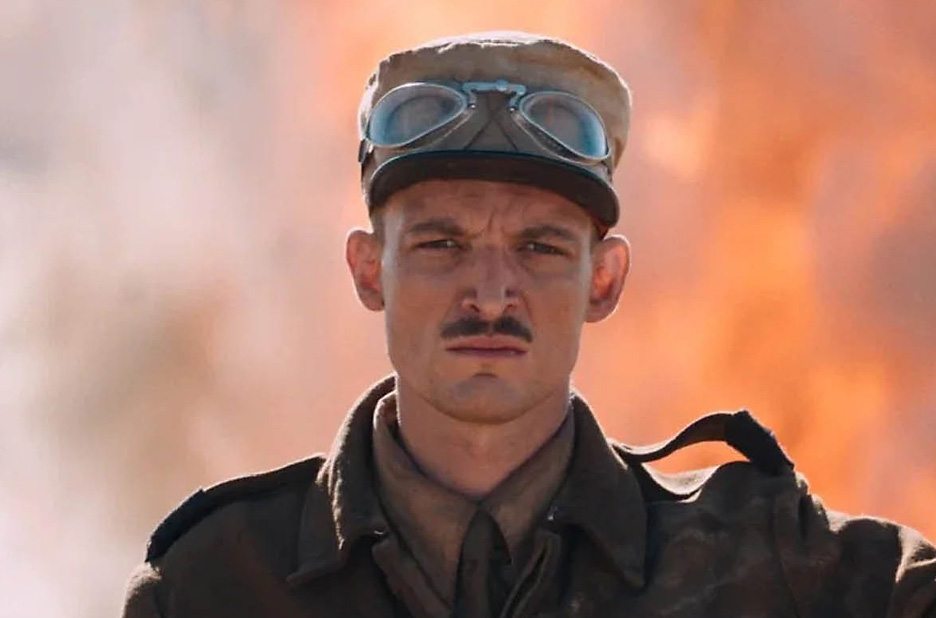
I’m somewhat puzzled by critics who disliked part one and were complimentary about part two. Perhaps if you are considering the films on the basis of how much historical information they contain, you could think that the second film is more elaborate, but this is precisely where its failings also lie.
The most surprising portrayal is probably that of Roosevelt as a condescending manipulative man with a massive superiority complex (remind you of anyone?) who believes the US has the right to acquire the occupied European countries by invading them in turn. I wonder what American viewers will make of it. But perhaps the ethical critique will pass them by. If Roosevelt indeed behaved in this manner, and I have no reason to disbelieve it, as Baudry has been fairly rigorous with his facts, we have been refusing to recognise the consistency of US arrogance for far too long.
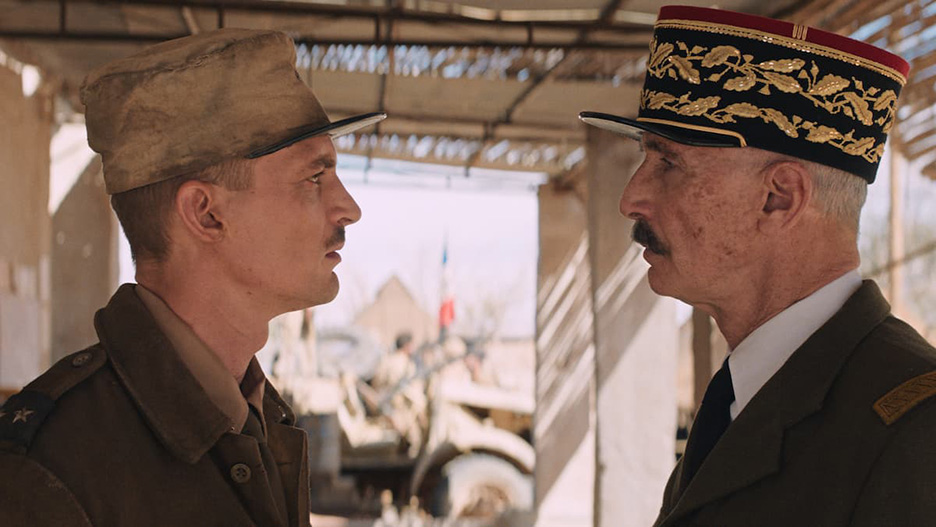
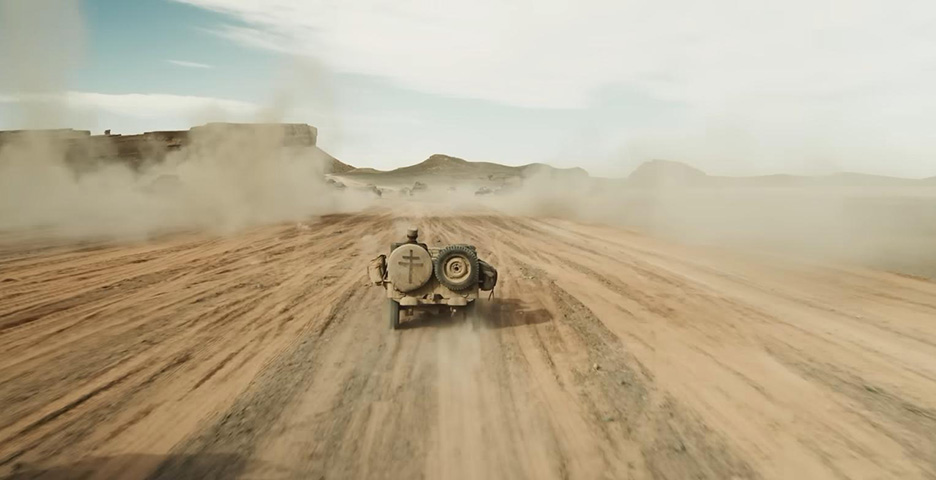
The hero of the second film is general Leclerc, an incredibly brave and principled soldier, well-depicted by Niels Schneider as impatient, frustrated, melancholic and reckless, but also the right man to lead his forces into some very tough and often hopeless battles. The Free French forces survive again by the sheer strength of their defiance and desperation to do something for their country which is languishing under the torturous German occupation.
The activity of the resistance fighters on French soil is highlighted through the character of Jean Moulin (an excellent Félix Kysyl), who was as good a negotiator as he was an organiser. One of Moulin’s achievements is providing some legitimacy to De Gaulle by rallying the parliamentary representatives in France to back him. It is crucial that Moulin’s capture by the Gestapo, subsequent torture and death are included in the narrative to ensure we are reminded of how high the stakes were. By contrast the character of Livia, invented to stand for all the women of the resistance is largely stereotypical.
Simon Russel Beale continues as Churchill trying to mediate between Roosevelt and De Gaule. His most chilling line is when he says that the UK will always side with the US against France. I guess it is unfortunately true to this day.
Leclerc’s forces, becoming 2e Division Libre, eventually take part in the liberation of Paris, which is the culmination of the story. The film succeeds in getting us to imagine what incredible relief and joy it must have been for the French to finally welcome their own forces on their own territory and as winners. It is easy to be blasé today about the terror of the occupation and the successful outcome of the Second World War. Most of us watching these films haven’t lived through any of it. But as always, it is important to know your facts and to remember.
After the war when De Gaulle hosts Churchill in Paris, he arranges for the band to play Churchill’s favourite French song Le Père la Victoire (The Father of Victory). This is a true story, but in the film we see Churchill overly emotional at this gesture which doesn’t ring true. Baudry was much more successful in the first film in bringing these unlikely historical facts to life in a way that engages rather than repels with saccharine approach.
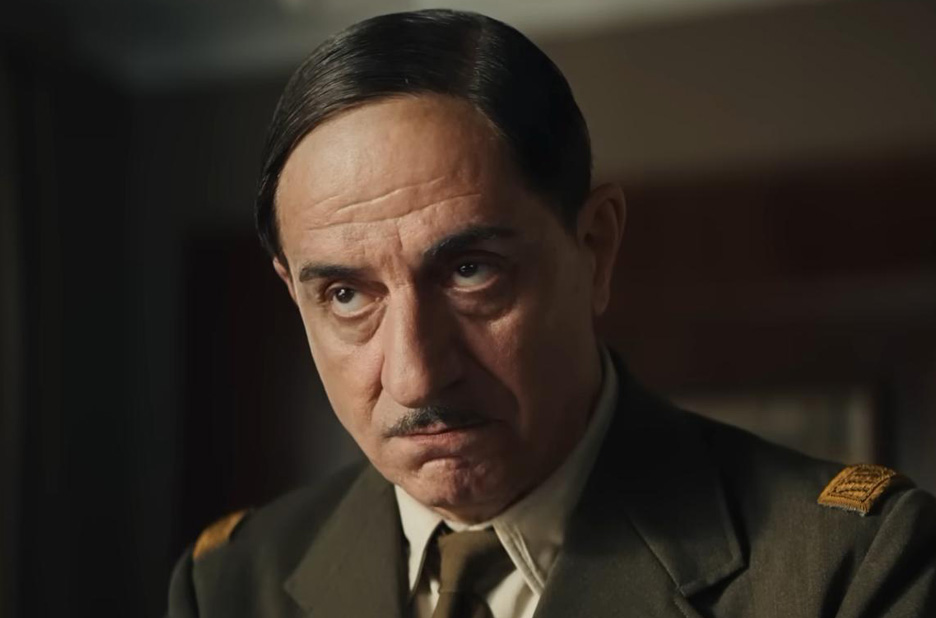
Had I not seen the first part, Résistance, I might have dismissed Liberté, but it acquires some value from simply completing the diptych. Baudry creates a solid mainstream film on an important historical topic which should be appreciated for its educational value even if cinematically it largely disappoints.