Music
Berliner Philharmoniker
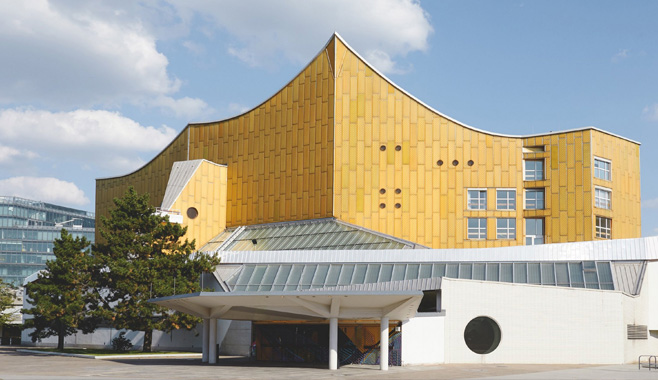
Philharmonie Berlin
5/5
Unrivalled orchestral musicianship
For a long time I have been wondering what it would feel like to hear the Berlin Philharmonic, arguably the best classical orchestra in the world, in their famed concert hall in Berlin. And I can safely say that, unless I come back to Berlin, I will never hear anything like it again.
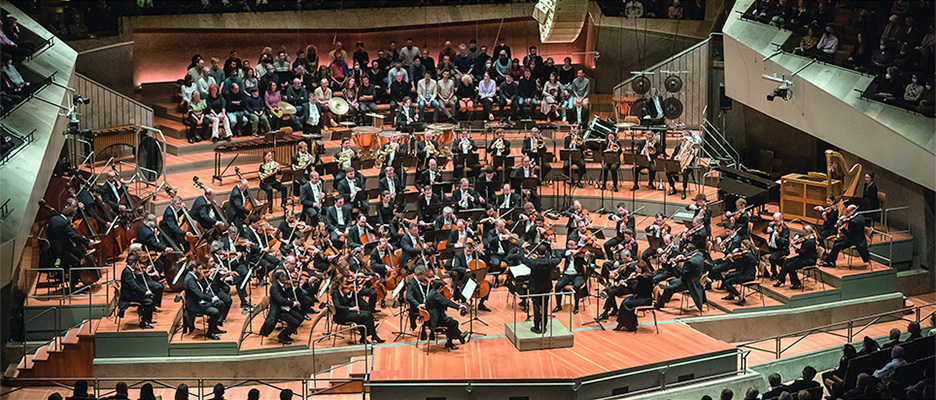
Iván Fischer was scheduled to conduct a programme consisting of Haydn’s Sinfonia concertante and Mahler’s Symphony No.5. Unfortunately his engagement was cancelled because he requested a specific altered seating of the orchestra to replicate what he had already successfully used with Budapest Philharmonic Orchestra in 2022. Berlin Philharmonic refused and swiftly replaced him with Andrés Orozco-Estrada, a solid conductor, but by all accounts, and with all due respect, in a different league to Fischer.
The official statement said that the decision was made due to acoustic and practical difficulties, suggesting that the decision was made jointly by orchestra musicians and the management. It is interesting to speculate on the power relationships of this situation, which illustrates how much control this orchestra retains in relation to its conductors. The truth is that the Berlin Philharmonic excels even without an excellent conductor; they are an institution of highly accomplished soloists who perform incredibly well together. Still I was slightly disappointed not to hear Fischer’s version of this symphony.
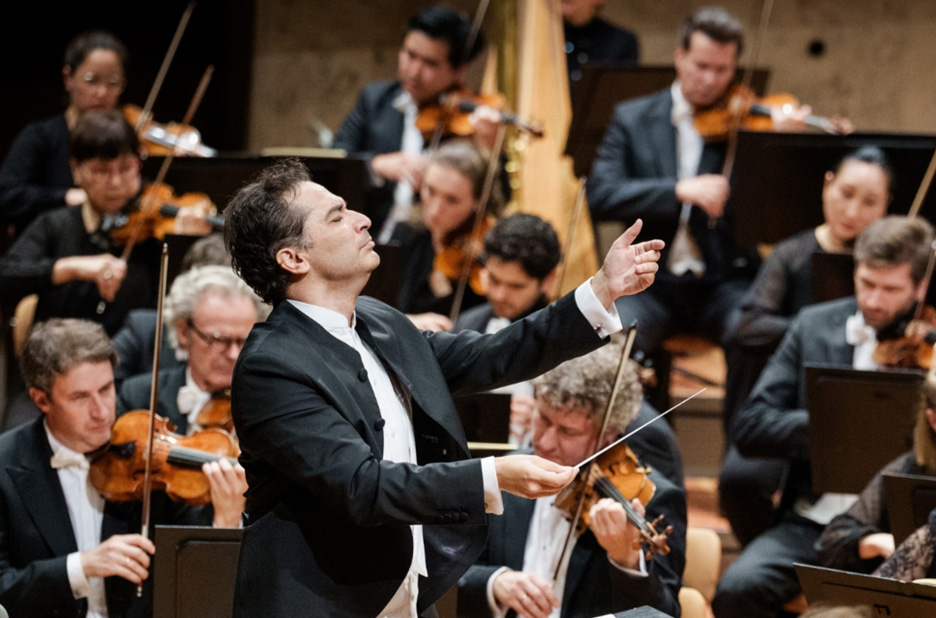
The frisson of this discord was not noticeable on the night. Orozco-Estrada, in his second appearance with the Berlin Philharmonic, fulfilled his duties respectably and respectfully, but without really drawing attention to himself. The stars were of course the orchestra.
A few words about this concert hall which I am visiting for the first time. My first thought was that when first concerts took place here in the distant 1963, it must have looked as futuristic and modern as a spaceship, because today it still looks incredibly modern. My second thought was that the seats are very comfortable.
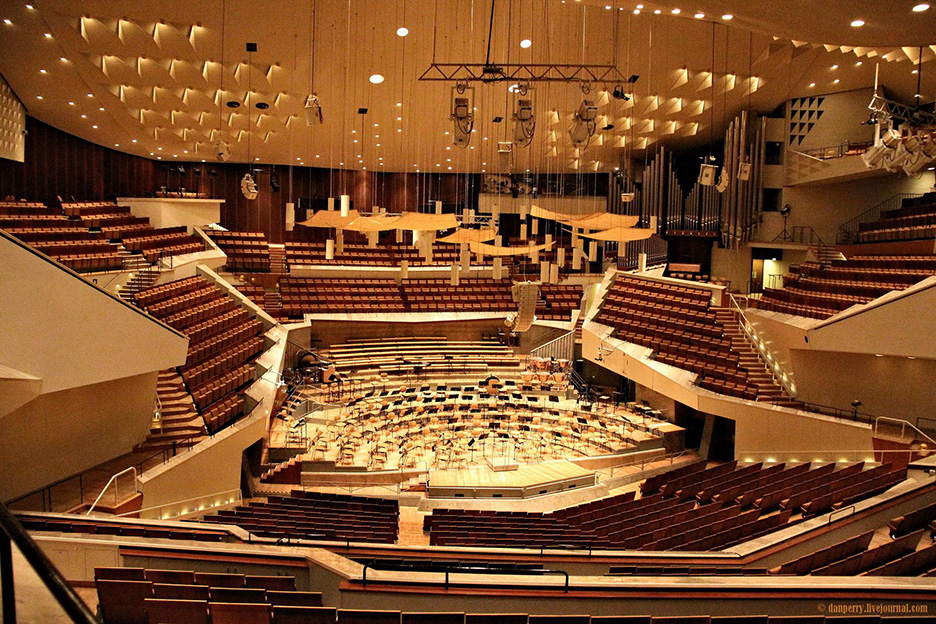
Philharmonie Berlin is an incredibly distinctive building and interesting to look at, both outside and inside. Hans Scharoun’s multilayered pentagonal structure creates many seating areas with their own entrances and excellent views of the stage. The seating hierarchy is much more equalised, but most importantly the quality of the sound is extraordinarily warm, balanced and enveloping. Have other more recently built concert halls using the same democratic approach managed to equal it or overtake it? I’m not sure, because the quality of the orchestra itself makes this comparison impossible.
In the first half we heard Haydn’s Sinfonia Concertante in B flat major, a piece which allows four orchestra musicians to star as soloists. In an unusual combination, we had violin (Noah Bendix-Balgley), cello (Bruno Delepelaire), oboe (Jonathan Kelly) and bassoon (Stefan Schweigert). The sound was precise, perfect for the period but further refined. Woodwind and string sounds blended seamlessly in a way I later started to believe is in part a gift of the stunning acoustics. The trills of the paired soloists were a joy. The soloists excelled, most noticeably the first violin, Noah Bendix-Balgley, whose sound was effortlessly clean and courtly, resonating beautifully in the hall.
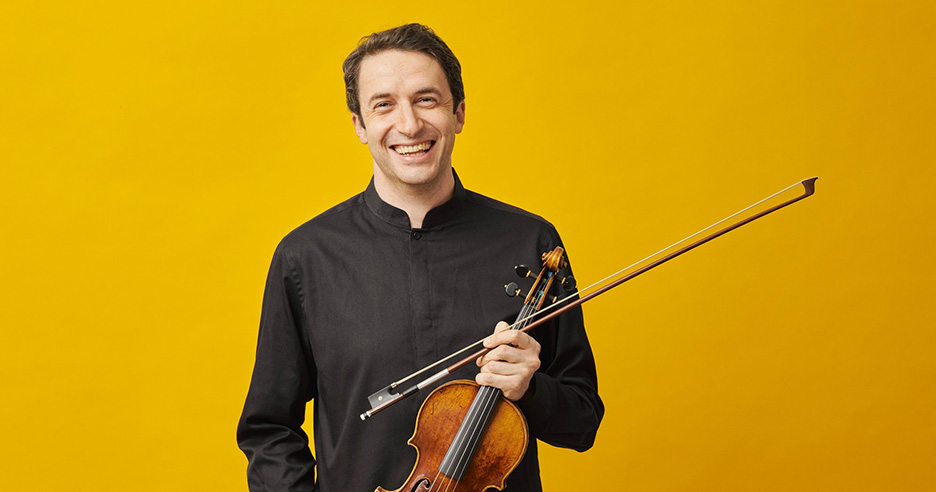
And then Mahler. The 5th is considered by many to be one of his most beautiful. The orchestra delivered the first movement masterfully. Guillaume Jehl opened with a well-measured grave trumpet solo gradually increasing the listeners’ anticipation of what was to follow. There was the tiniest of blips at the very end as the trumpeter misjudged his reach. But it did not matter, we were relieved he was human.

Hearing a large orchestra for the first time in the hall gave the brain the familiar fast-paced exercise of following the score traversing various instrumental groups and identifying the lines passed back and forth between the players. But here this mental game was more pleasurable and exciting due to the consistently excellent standard of playing. You noticed a nice handover here, a fine phrase there which grew into something else over there, and so on.
The hall definitely blended wind and strings in such a way that they seemed more closely related. The strings were warm and authoritative, the brass spine-tinglingly rich and powerful and the woodwind supplied the delicate texture between the two.
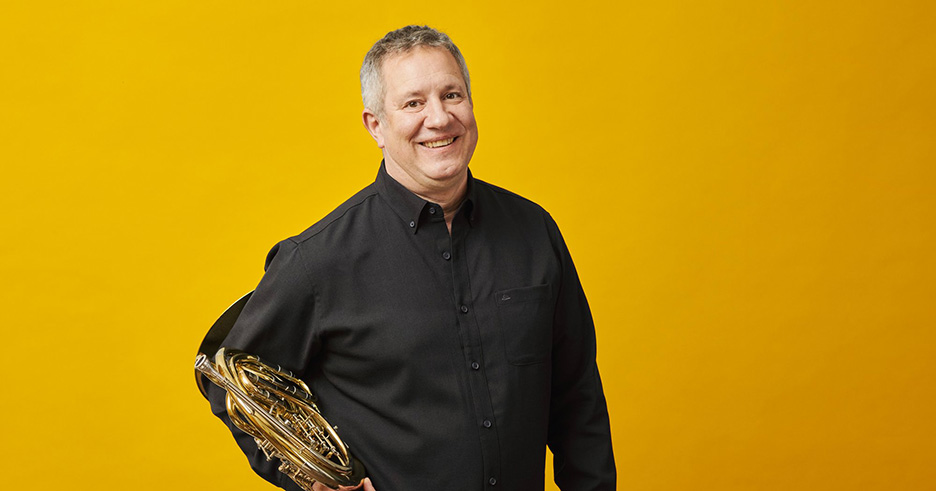
Then came the time of the horns, led by Stefan Dohr who delivered the solo parts with aplomb and a lovely delicacy in the decrescendos. The Scherzo had the familiar Mahlerian pattern of dance melodies brought by the wind and then blown away. The orchestra got into a truly Germanic sway when needed, which was perfect for Malher. The exuberance took various shapes in this all-encompassing organised chaos. The most famous movement, Adagietto, was delicate and translucent. Having broken the back of the mighty piece, the orchestra relaxed into the final push with the Rondo-Finale. It was obvious, and exciting to witness, how much the orchestra enjoyed playing together – in their space – and for us.