Theatre
The Standard of Living
Theatre Royal Haymarket, London
5/5
Riveting performance from Rory Kinnear
Writing an entertaining play about an economist is no mean feat, even if that economist is Maynard Keynes whose achievements and colourful life give abundant assistance to the task. Making this play also grownup, substantial and intelligent, and discussing consequential economic theories, while keeping the audience hooked, takes a special skill indeed. James Graham rises to the challenge, and as some reviewers have pointed out takes an approach reminiscent of Tom Stoppard. The play could have been simply called Maynard, but that would have restricted its scope, because the playwright’s ambition was not only to show us Keynes’ brilliance and unusual character, but also to point out his relevance and legacy in our world today.
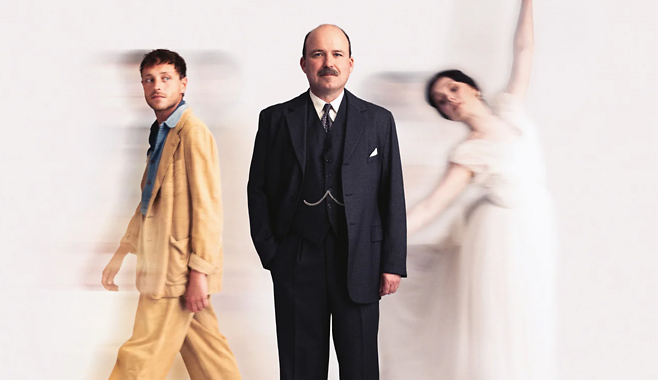
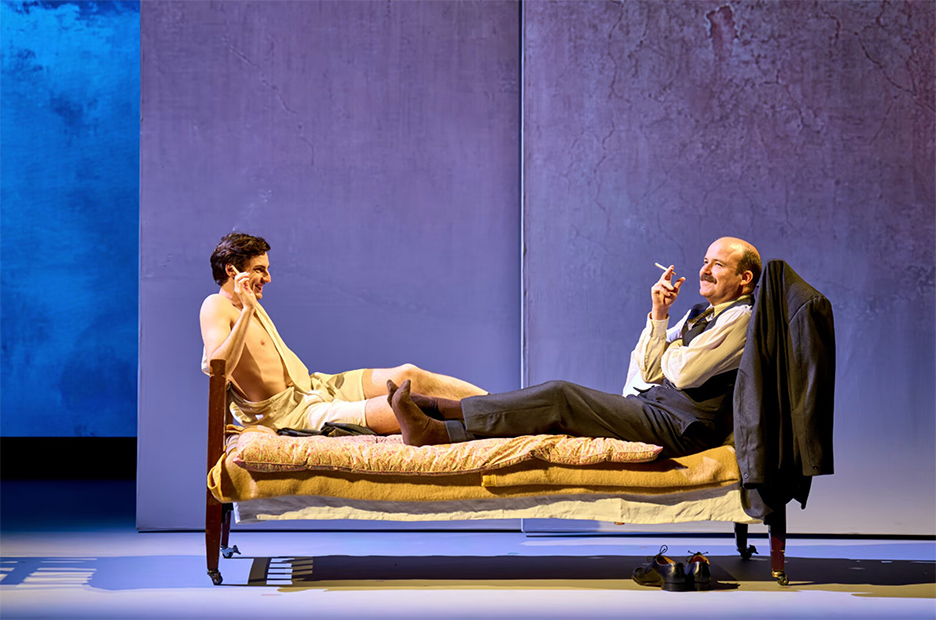
A play of this kind needs a great actor to hold it all together. We get this with Rory Kinnear, who with supreme theatrical agility fleshes out the personality of this highly intelligent, quirky but honest man. Kinnear makes Keynes likable in all his complexity. The two sides of Keynes’ personality, the hedonist and the intellectual, cohabit in this performance organically and without conflict. Kinnear was the main draw for me to see this play, despite extortionate ticket prices. They must have expected economists in the audience who can well afford it. (Where is Thomas Piketty when you need him?)
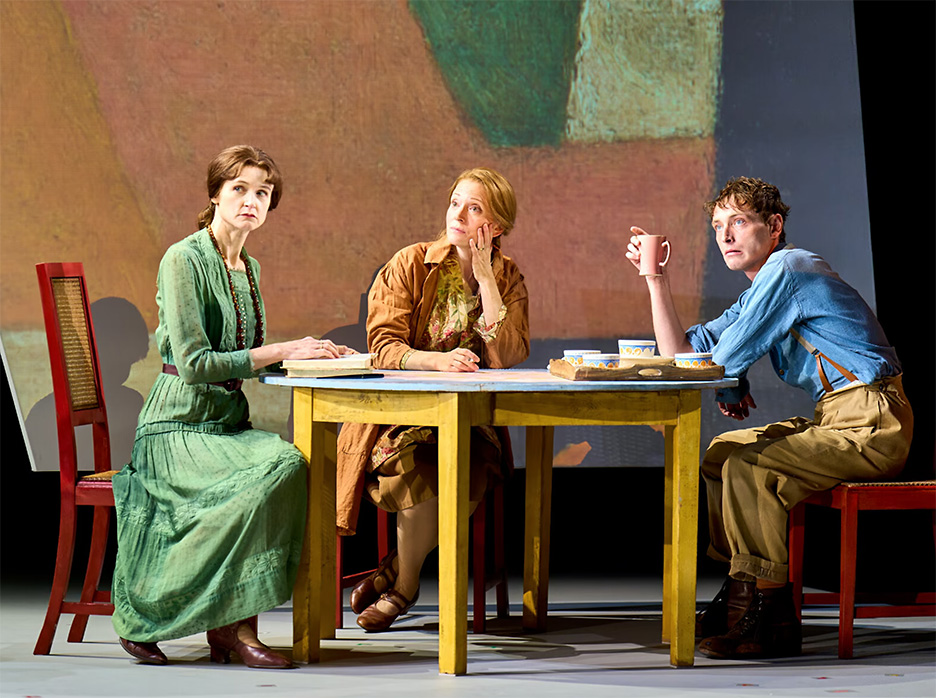
Bloomsbury circle were Maynard’s friends, so in addition to the dynamic of the group which is well articulated, we get interesting portrayals of its famous members. Naomi Frederick nails the physical and moral stiffness versus intellectual elasticity of Virginia Woolf, while Claire Price embodies her sister, the painter Vanessa Bell, as more relaxed, but slightly bitter. The warmth and like-mindedness of the relationship between the two sisters feels true and natural.
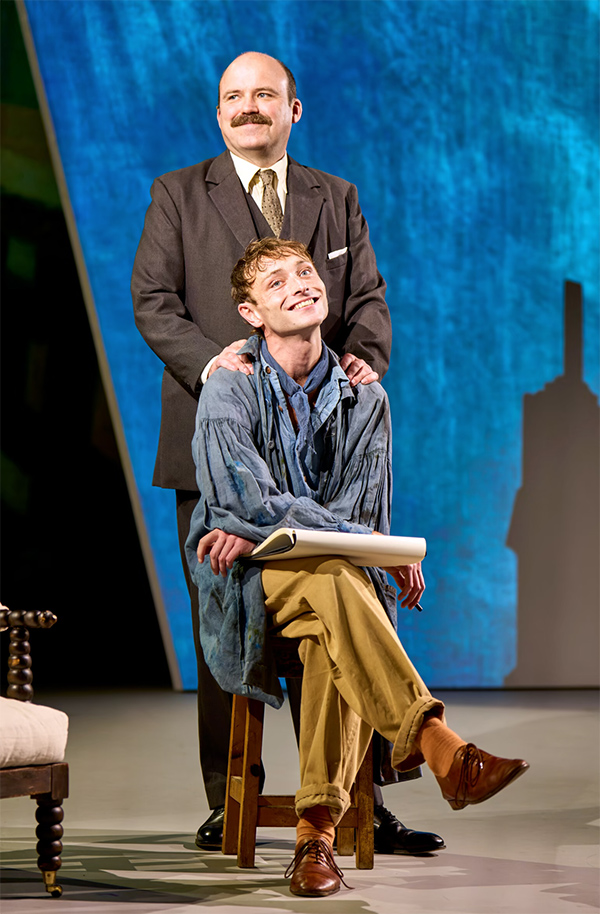
I was less convinced by Thomas Flynn’s portrayal of Duncan Grant. Grant, who was Keynes’ lover, is represented as a soft seedy extrovert who often smooths the discord between his friends. In his debut role Flynn overuses sexual innuendo to make up for the lack of character development, which appears hackneyed.
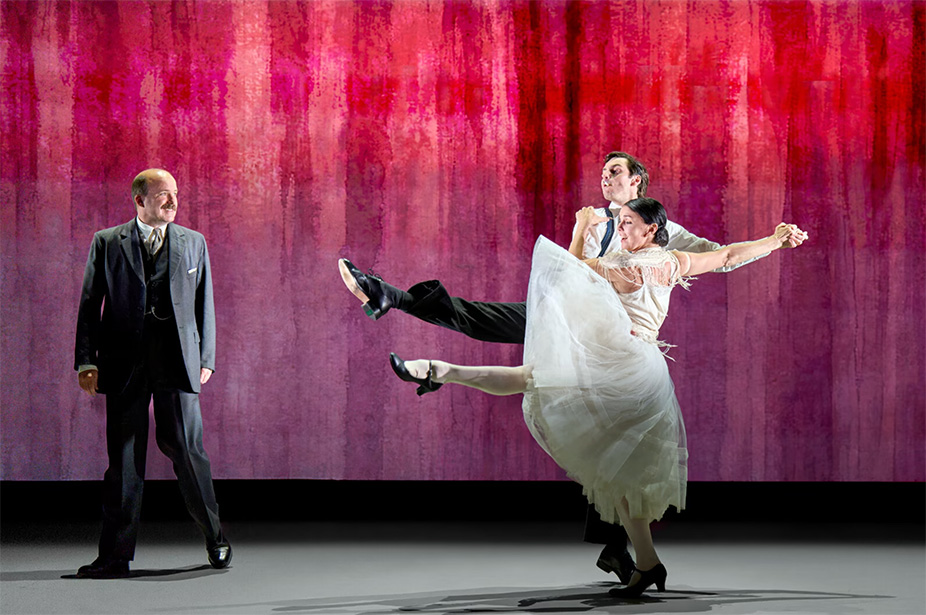
Natalia Osipova, the famous former Royal Ballet prima ballerina, plays Maynard’s love interest, and later his wife, also a celebrated ballerina, Lydia Lopokova. Osipova’s and Lopokova’s careers are in many ways similar, so this casting decision makes complete sense. Furthermore Osipova does well in what is her first theatrical role. Without giving her character too much depth, she nevertheless provides the needed contrast and challenge with her direct personality, which is at times a great source of amusement. I loved the linguistic humour which transpired from her heavily accented and unidiomatic use of English. Furthermore she dances in many scenes, giving an example of the arts that Keynes wants to protect.
For those who didn’t know, and I didn’t, it was Keynes who built The Arts Theatre in Cambridge and who founded the Arts Council. He was a great believer in the government support for the arts, and for that reason alone he should be remembered and followed today.
Laurie Kynaston mostly effectively although a tad stereotypically fleshes out Maynard’s rival Friedrich Hayek, proponent of the Laissez Faire doctrine. It is depressing to realise how long this destructive theory has dominated. Champions of Laissez Faire believe that markets will sort themselves out given time and naturally bring the best outcome without any intervention from the state. Keynes’ most striking response to that is why wait, people’s lives happen in the meantime. He believed an opportunity for good life should be provided by the government when possible. To label him simply as ‘protectionist’ misses the point. Hayek’s book ends up in Thacher’s handbag, with a slightly heavy-handed but nevertheless wry symbolism.
The snobbery of the Bloomsbury circle towards Lopokova is clear. In a memorable scene Keynes rebukes their hypocrisy by wondering what kind of free spirits they are when they reject another free spirit. But of course they don’t reject her because she is a free spirit, but because she is a foreigner and not upper class. Indeed the Bloomsbury set are exposed as incredibly privileged and petty. Keynes admires his friends and seeks their approval but is also able to see their faults.
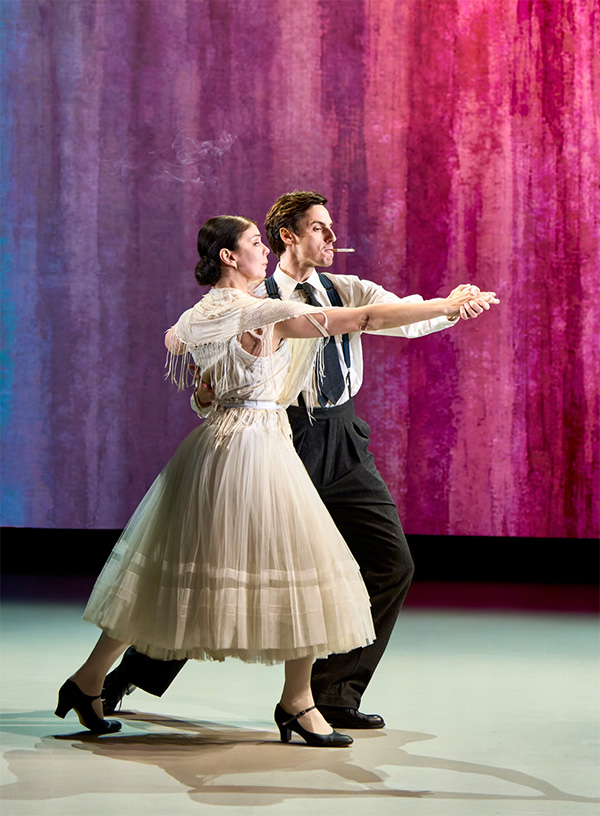
Nicholas Hytner directs with his usual aplomb. If I do have a criticism, it is that including ballet interludes with Lopokova long before she actually meets Keynes, seems to be a cheap way to make the audience swallow some wordier character development. Also, showing Grant painting a male nude seems to be an unnecessary wink. But it was obvious that Hytner tried to ensure that the intellectual content does not drown the theatrical experience, and in that sense, although successful, he may have even gone a little too far.
The canvases by Bloomsbury painters alternate with archival photography on large vertical panels on the stage, giving context. This occasionally seems trite but animates the stage by providing additional visual interest and dynamic background to conversations. Grant’s portrait of Keynes from 1917, which is for a moment replicated on stage, Keynes convalescing with a colourful hat, focused on writing, is a good reminder of the affection and understanding that connected the two men. And also that those close to us know us best after all.