Book
Optic Nerve
Maria Gainza
5/5
Art history intersects with autofiction
Meditation on mortality is at the core of this beautifully written self-reflective first novel. Intriguing well-crafted chapters appear like short stories connected by the circumstances of the narrator’s life. On a superficial level you could consider this novel to be ‘my life in pictures’, but it is distinctly so much more. Gainza has a talent for fragmented storytelling, where sporadic details are elliptically but naturally revealed for the reader to speculate on, but what impresses the most is how she weaves the narrative around art references. The connections between the paintings and the story are elegantly loose but meaningful and thought-provoking. All the key paintings referenced are displayed in art museums in Buenos Aires that the narrator, and no doubt the writer, also an art historian, has frequently visited over the years. Mediated by these choices, personal destiny and outlines of Argentinian society are sketched out in parallel.
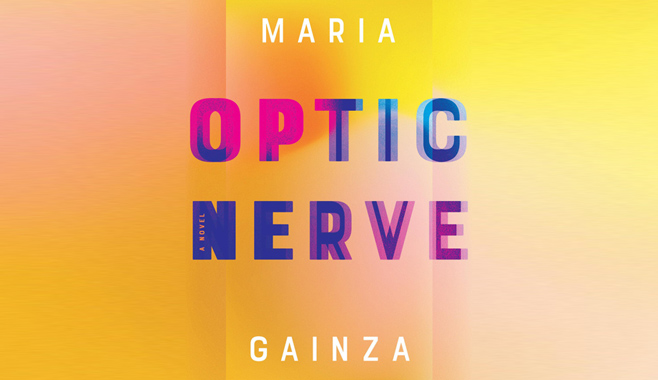
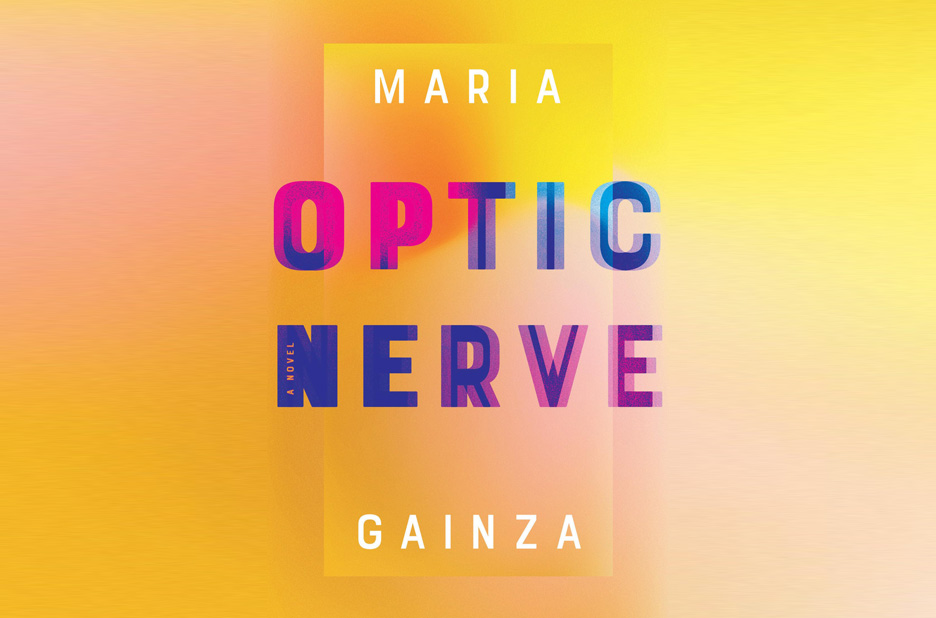
Autofictional aspects peek here and there: a privileged upbringing which the narrator has distanced herself from, a snobbish conformist mother, a daughter, a seriously ill husband, and an unapologetic and thoughtful passion for the visual arts. The first painter mentioned, Alfred de Dreux, is the one the narrator doesn’t like. He symbolises everything she despises in the conventional ruling classes. But then she sees another painting of his, Deer hunt, that captivates her. It’s not that the painting is any less conventional, and although it is no doubt executed well, it cannot be denied that it is displaying the truth of death in all its horrible violence and finality. The author wants us to note this death, here at the beginning of her novel. She wants to make sure we don’t treat her passion for the paintings as something superficial or affected, but as a vital part of who she is.
Mother’s taste for the visual arts is distinctly contrasted with the narrator’s: mother’s Monet versus the daughter’s Toulouse Lautrec. The only painter they can agree on is Hubert Robert, the master of ruins, fashionably melancholic while secretly commenting on the very essence of loss. The interest in Toulouse-Lautrec’s En observation – M. Fabre, Officier de reserve initially arises because of the horses depicted, but then the fascination with the cryptic painting takes over. The chapter is called ‘Out of the traps’, a marvellous find signalling the desire to escape the suffocating family elegantly and quickly, like a beloved horse.

One of my favourite chapters, ‘Separate ways’, recounts the history of the strong adolescent friendship which ties the narrator to her friend Alexia, from the early sisterhood days to growing apart. The two young women are opposites that attract, the narrator a thoughtful introvert and Alexia a dynamic extrovert. Alexia eventually leaves Buenos Aires to work in Spain, abandoning adolescent dreams of leading a creative life for leading a busy and seemingly financially comfortable life. The narrator describes with wistful restraint how when they occasionally meet now, the conversation between them no longer has the same closeness or truthfulness. In the background is Foujita’s beautiful self-portrait from the National Museum of Fine Arts in Buenos Aires. Not only is this one of the paintings that the two friends first saw and appreciated together, it also symbolises the dreams of creativity they shared in the early days, with the painter shown in front of a blank sheet, primed to begin.
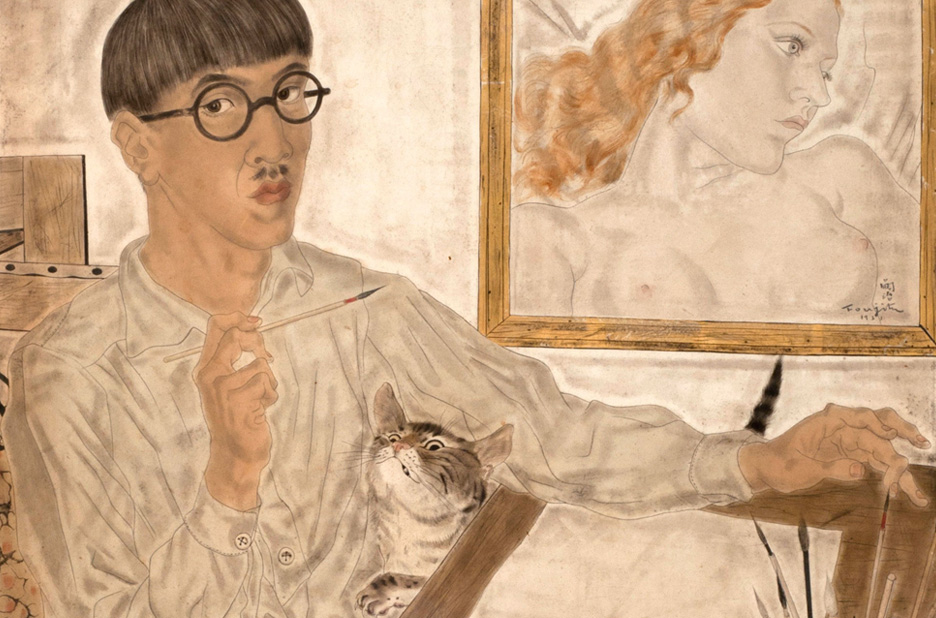
Tsuguharu Foujita was a Japanese painter who lived in Paris and was most famous for his languid slightly sinister women painted in his idiosyncratic realist style combining Japanese and Western influences. His work became less interesting over time the more he indulged his need for attention. A parallel perhaps with Alexia who is so keen to impress with superficial proofs of success.
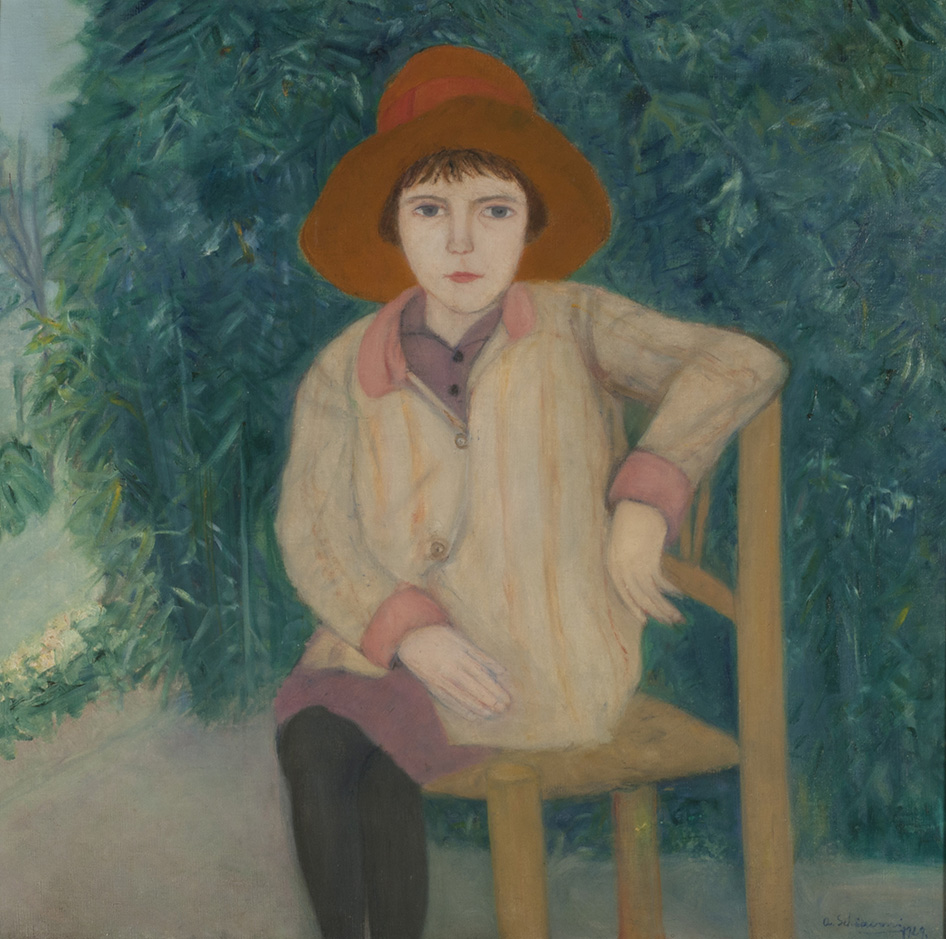
Looking at Augusto Schiavoni’s painting The girl sitting, the narrator identifies herself with the subject. She is struck by the vision of her 11-year-old self in need of affection, but also at pains to be a good girl and restrain her natural ‘attitude’. Then she shifts to old age in an instant to observe the work of another Argentinian painter, Miguel Carlos Victorica’s Aunt Cecilia, seeing herself as if in a mirror, now in her imagined seventies. After deliberating on her fears of the realities of old age, the narrator concludes that the best fate of all would be to become a spirit to haunt a building and frighten the living.
The chapter at the heart of the novel references a timeless red Rothko and starts with: ‘I’m scared.’ A constant vibration in her right eye brings the narrator to the doctor’s waiting room where she spots a reproduction of Rothko’s Light red over dark red on the wall. Observing it she attempts to describe the spirituality the painting conveys, concluding that the painting resists. It is ‘like seeing a glacier, or crossing a desert’. Gainza’s reflection on Rothko is sublime, deeming him a charm against illness, a reminder of the essence of our humanity, a highly elusive connection between life and death. The optic nerve from the title is the miraculous organ responsible for registering and transmitting all these incredible nuances, and perhaps its vibration a small sacrifice for the access to the life-sustaining visual experience. Rothko is Gainza’s saint card, and I have to admit that he is mine too.
Optic Nerve is translated by Thomas Bunstead