Film
Father Mother Sister Brother (2025)
Jim Jarmusch
5/5
Minimal and profound indie gem
Are blood ties really unconditionally true? The family triptych Father Mother Sister Brother travels from New Jersey to Dublin and then to Paris to quietly challenge familial moral imperatives and tinker with stereotypes. It is satisfying to see Jarmusch demonstrate that independence of spirit, a defining characteristic of his creativity, can also elegantly resist the traditional representation of family. Although family myths are regularly punctured in film and literature, Jarmusch does it slightly differently, showing that parents and children are as unknowable to each other as complete strangers.
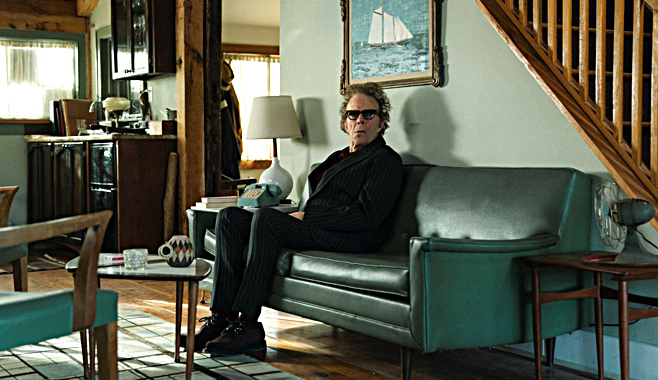
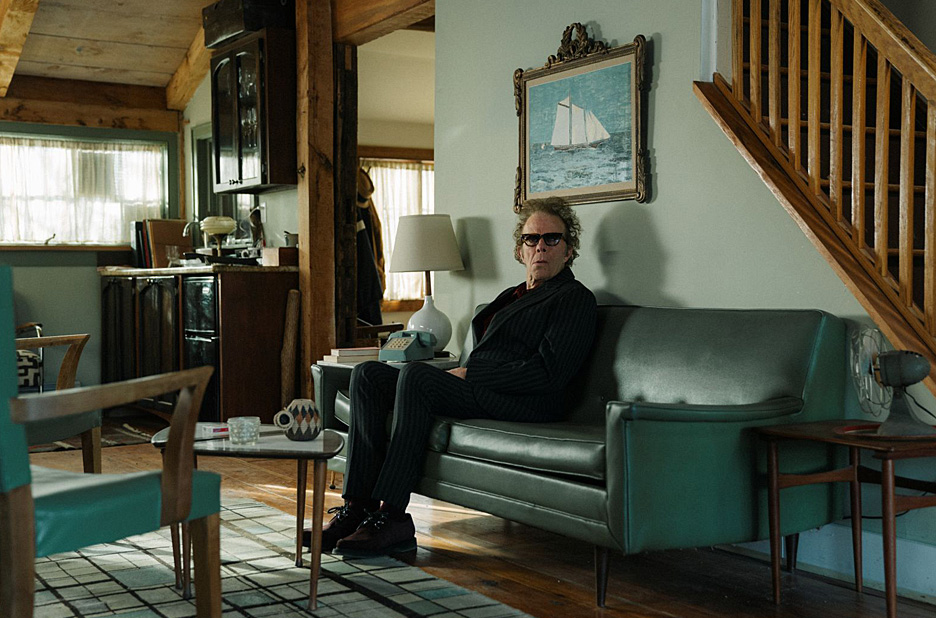
In a pleasing and somewhat nostalgic turn, Jarmusch returns to his earlier aesthetic which produced landmark works such as Night on Earth (1991) and Coffee and Cigarettes (2003). More starkly minimalist and deadpan, and unashamedly indie and low-budget in the best tradition of American indies of the turn of the century, this is the Jarmusch cinematography that I know and love, a slow-burn fragmentary narrative which somehow reproduces an instinctively familiar mental structure.
I chuckled during the opening credits noticing some of the production companies, such as Cinema Inutile and Hail Mary Pictures, their very names confirming the struggle of financing non-commercial and freely creative ventures as well as announcing that what we are about to see is nothing to do with the superficial regurgitations of Hollywood, despite the accidental similarity of the production company names with some current blockbusters. Greeted by the ‘wrong way’ road sign at the beginning, we should consider ourselves warned.

Pairing Tom Waits and Adam Driver as father and son is the first ingenious stroke of this film. The wily Waits and the earnest Driver smoothly assume their family-assigned roles to satisfyingly humorous effect. Although only featured in the beginning of the film, Waits steals the show with his depiction of a father who pretends to be destitute, slovenly and appropriately elderly to reassure his children to continue to leave him alone and purge their guilt by giving him money. It makes you wonder if our biggest fear as children is to be upstaged by our parents once we are adults. In this reversal of the usual familial scrounger dynamic, Driver is accompanied by his sibling played by Mayim Bialik, beautifully carving her place between father and son. The funniest moment comes when Waits launches into a relieved outburst of fatherly love once it is clear that his two children are leaving.
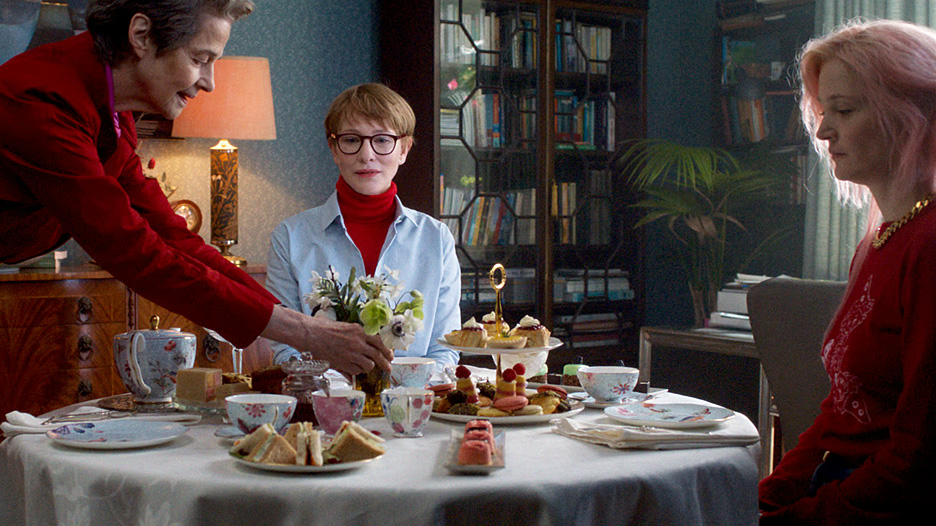
The second chapter centres on an icy dominant mother played by Charlotte Rampling who inflicts on her two adult daughters a prim and grim annual tea party she hosts in her home. Although the daughters still display the vestiges of neediness for their mother’s approval, nobody in this trio really cares to know about the lives of others, nevertheless the pretence continues. The meeting is clearly an ordeal for the daughters played by Cate Blanchett and Vicky Krieps, and no amount of careful negotiation or playing up to expectations can make this any easier. Even more than in the first chapter, the three characters are radically different and their encounter unredeemably awkward, which is not an unusual scenario in real life.
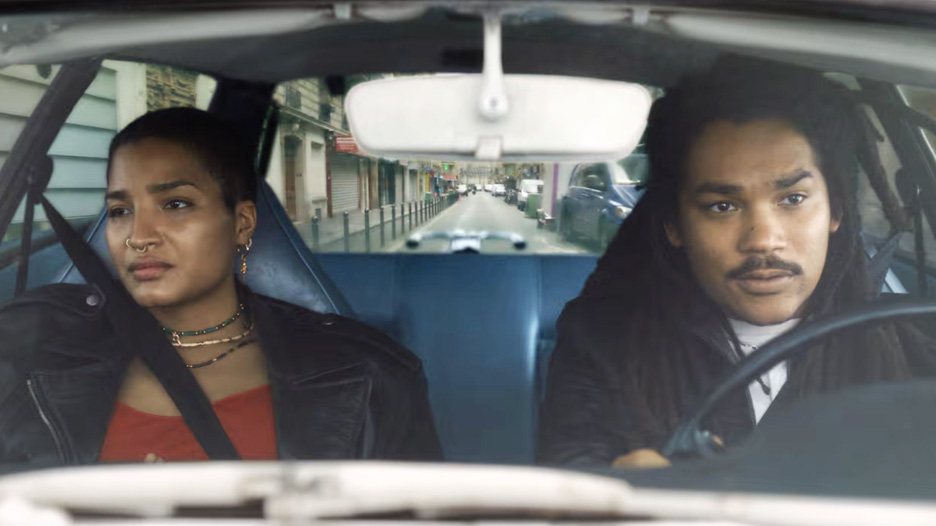
In the third segment twins Indya Moore and Luka Sabbat whose parents have died in an accident visit their parent’s flat in Paris one last time. This is a more wistful episode where the siblings quietly reminisce about their loss. The acting is the weakest in this chapter, and the dialogue more ordinary, but this is made up by the beautiful direction and cinematography. Slow mediative shots of the empty Parisian apartment at the end take over from the awkwardness and humour of the previous episodes, trying to locate the emotional truth of familial attachment.
There are a few connecting props and sentences between the otherwise independent chapters, a common strategy in Jarmusch films, the most revealing a Rolex that pops up in all three, a symbol of the true/fake conundrum which characterizes family relationships in this film. Tom Waits’ Rolex is authentic, but he insists it is fake. Vicky Krieps’ is a knock-off, but she claims it is genuine. Finally an old Rolex is Luka Sabbat’s inheritance and it no longer matters whether it is fake or not. Toasting with tea, coffee and water is also a recurring motif, combining the traditional and modern infatuations with drinks with those that remain to us as we age, no less enjoyable or magical for it.

From the funniest first chapter, we move to the more unsettling second, to arrive at the poetic resolution in the third. The three stories feel like they have been conceived in different decades or for different generations, and they are uneven, but still surprisingly work together, again very much reminiscent of Night on Earth, although those uninitiated to the Jarmusch approach may need to work a bit harder to see them as a unified whole.
Venice Festival rightly rewarded the brilliance of Father Mother Sister Brother with a Gold Lion in 2025, probably due to the jury president, Alexander Payne’s spiritual affinity with Jarmush’s work and non-sensationalist independent cinema in general. Jarmusch excels at slow films and to truly appreciate his work you need to give yourself over to his pace. Achieving this has an incredibly reinvigorating spiritual effect, allowing the unassuming richness of the interplay of detail, timing and silence to move and delight.