Art
Michaelina Wautier
The Royal Academy of Arts, London
4/5
Rediscovering Mademoiselle Wautier
The beginning of the rediscovery of the 17th century artist from the Spanish Netherlands, today’s Belgium, Michaelina Wautier, dates back only to 1996 when the first article about this forgotten artist was published. In 2018 the first exhibition of her work took place in Antwerp. Now in 2026 we have the privilege of seeing an exhibition devoted to her work which has travelled from the Kunsthistorisches Museum in Vienna – which owns a few of her key paintings – to the London’s Royal Academy. It is a small exhibition as only a small number of works have so far been attributed to Wautier, 35 in total. Nevertheless the talent and accomplishment of this contemporary of Artemisia Gentileschi are obvious and worth getting to know.
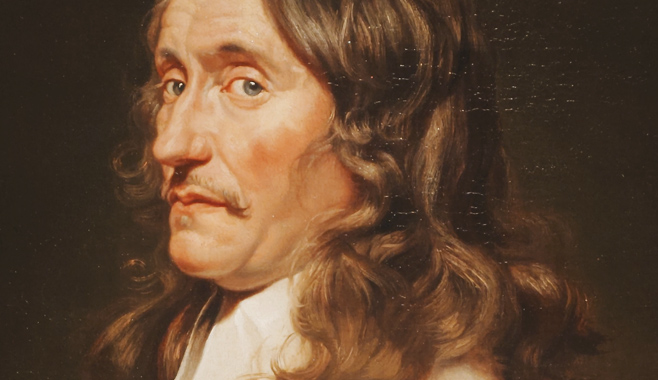
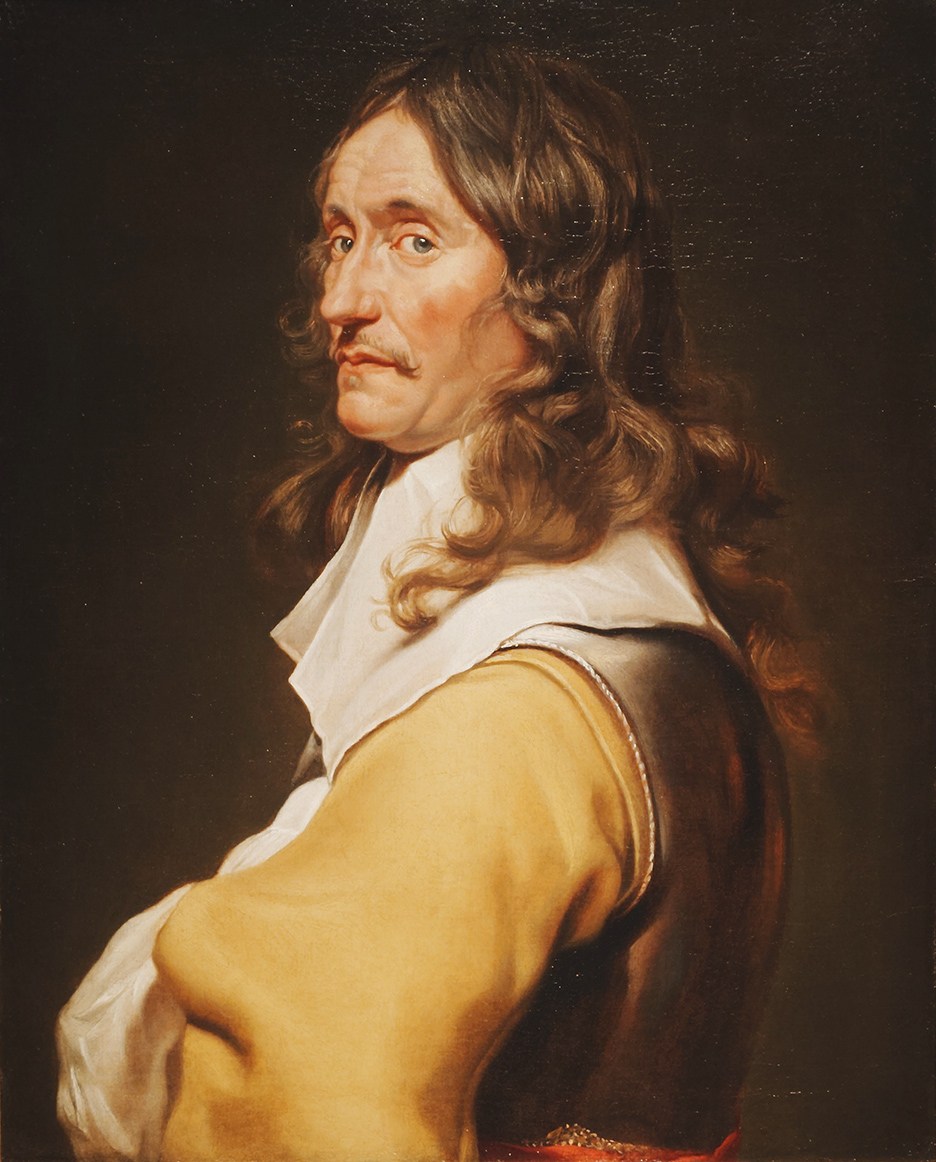
Wautier broke the mould in venturing into history painting which was considered the preserve of men, but unfortunately didn’t escape being characterised in our time as at her best as a painter of children in another example of veiled misogyny deciding what women should be ‘naturally’ good at. However, based on the evidence displayed at the Royal Academy it seems to me that she in fact excels at portraits of adults.
Observe, for instance, some of her stellar late works such as the Portrait of a Military Commander (c. 1660), which is believed to be her brother Pierre. The dynamic posture of the sitter, glancing back at us, complemented by his natural expression, rendered in vibrant earth tones on a plain background, culminates in the sunny ochres of the garment and luxuriant long hair. A tiny corner of what seems like a red sash peeks at the bottom playfully, warming and rebalancing the canvas.
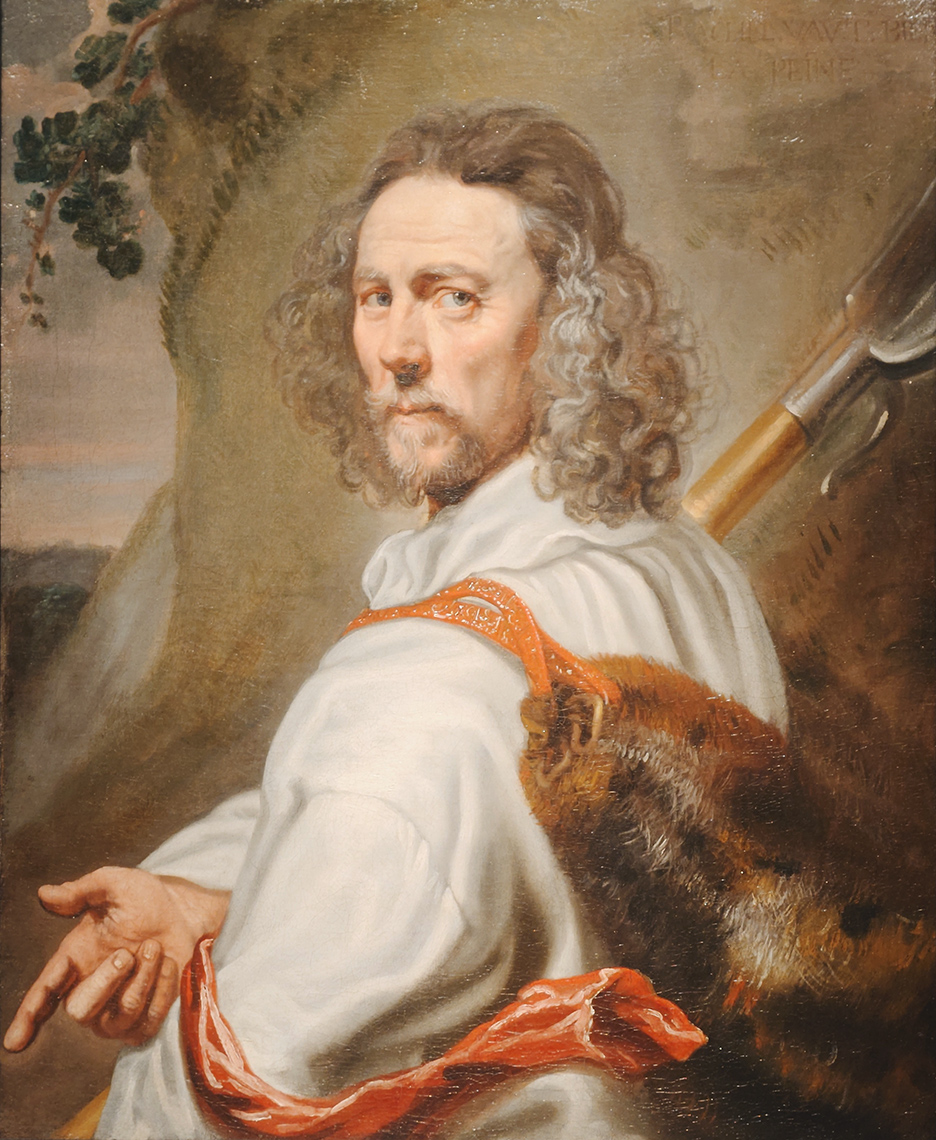
Portrait of a Man as the Biblical Jacob (c. 1655) features another man in a similar pose, this time holding our gaze more directly and intensely. As in other portraits, Wautier concentrates on the face, hands, and intricate textures of hair and fabric. The magnificently painted hair is again particularly worthy of note. In the top right the faint inscription reads “Rachel vaut bien la peine” (Rachel is worth the effort) identifying the man as Jacob who had to work as a shepherd for fourteen years before deserving the hand of Rachel. One feels that there must be some personal significance of this to Wautier, or perhaps she is just very good at portraying men as confident, persuasive and principled.
Wautier lived with her older brother Charles, also a painter, in Bruxelles. Very little is known about her life, but it transpires that living and working with her brother made it possible for her to be a painter. Several of Charles’ paintings featured alongside hers suggest that even though he may have originally taught her to paint, and may have helped promote her work, she was certainly the better painter.
The Five Senses, a series of paintings of boys as allegories of the different senses, although highly accomplished, leave me cold. Similarly the large Triumph of Bachus (c. 1655-9), considered her most ground-breaking painting seems equally uninteresting in modern context. But Wautier’s last known dated work The Annunciation (1699) is a real surprise. Although inevitably portraying the Virgin in the very unlikely moment the angel announces to her that she will bear the son of god, this canvas in fact features a realistic rendition of a radiant woman in a heightened spiritual state, her face calm but highly alert, her stretched hands, sandy dress and light blue scarf conspiring to give beautiful authority to this mythical scene.
An excellent first illustrated monograph of the artist by Katlijne Van der Stighelen freshly published in English in the Lund Humphries’ acclaimed series on women painters details the fascinating detective work undertaken by art historians to reconstitute Wautier’s known oeuvre by proving her authorship of disputed or incorrectly attributed pieces. Wautier’s biography remains sketchy due to virtually no written records of her life, but her paintings, most of them clearly signed, provide the most relevant and inspiring proof of her existence and achievement.
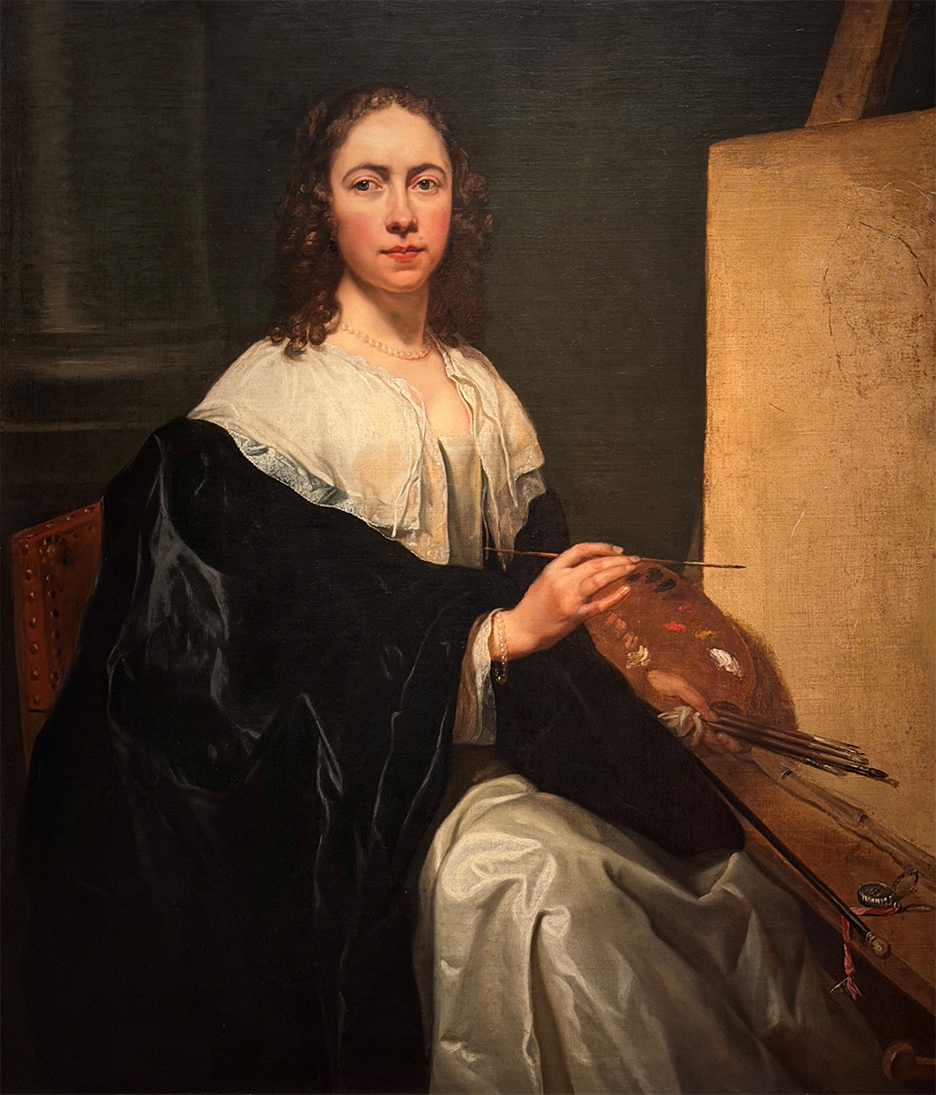
I regret that we don’t get to see Two Girls as Saint Agnes and Saint Dorothy from the Royal Museum of Fine Arts in Antwerp. However, I’m drawn back to the very first painting on display, Wautier’s stunning self-portrait (c. 1650) where she presents herself to the world the way she would like to be seen. Neither ostentatious nor humble, but masterful, confident and calm. At her easel, with brushes in her hands, facing the viewer, and about to confront a blank canvas which has the faintest outline of a human head. Her gaze seems to land somewhere slightly beyond us. Rubens’ late self-portrait is positioned to her right for comparison. And she is not only in good company, but has an equal place.